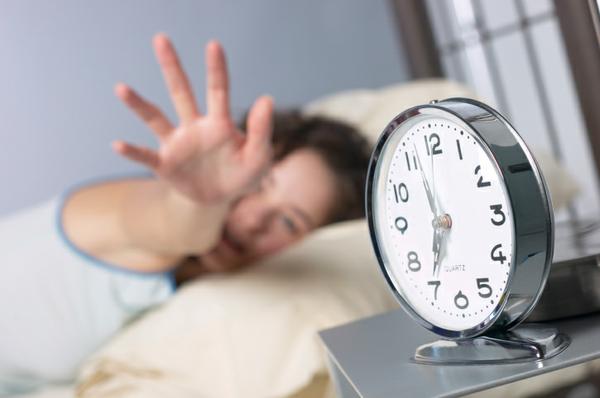
Waking at a consistent time anchors our circadian rhythm; the internal system that regulates everything from sleep quality and hormone cycles to mood, appetite, and energy.
When we wake at wildly different hours across the week, we
create what researchers call “social jet lag". This is a state of internal misalignment that can increase fatigue, brain fog, insulin resistance, and symptoms of depression.
But there’s nuance. And we’re here for nuance.
The research shows that a modest amount of catch-up sleep can reduce risk of metabolic disruption, especially in people who are chronically underslept. The problems come with large swings. Sleeping 2+ hours later on weekends can throw off melatonin and cortisol rhythms for days.
What helps
most?
✅ Keeping your wake time within 30–60 minutes of your weekday rhythm
✅ Prioritizing full nights of sleep during the week, so you don’t have to “catch up”
✅ And when you do need recovery, doing it intentionally via earlier bedtimes, naps, or mild sleep ins. Instead of big weekend sleep-ins.
This morning, both my kiddo and I woke up about an hour later than we normally do. We meditated. We moved slowly into the day.
That hour difference is about as long as we would want to sleep in, not to perform discipline but because consistency supports us, keeps our systems steady, our moods more even, and our sleep more restorative.
Over this week we’ve practiced five small shifts.
I wanted to do this reset to support myself in the hazy unstructured nature
of summer days and nights and the feeling of timelessness they can evoke.
I love that timeless feeling and also gone unchecked it can wreck havoc on our sleep system.
If you’ve felt even one moment of clarity, steadiness, or softness this week then it was worth it to share
this and I hope you hold onto it.
And if you want to share if the reset has shaped your sleep or your days, I’d love to hear from you.
Sarah
References :
Phillips et al. (2017). Irregular sleep linked to delayed melatonin and poorer
academic performance.
Lo et al. (2021). Consistent wake times protect against depressive symptoms.
Huang et al. (2020). Social jet lag associated with metabolic disruption and lower HRV.
Taylor et al. (2023). Weekend recovery sleep helps — but large timing shifts reduce benefit.
Kitamura et al. (2022). Adolescents with 2+ hours of weekend wake-time delay show more depressive symptoms.